TEDDY THOMPSON
TUESDAY, 21 JULY 2026 | DOORS AT 19:30, MUSIC FROM 20:00
THIS IS A SOLD OUT EVENT
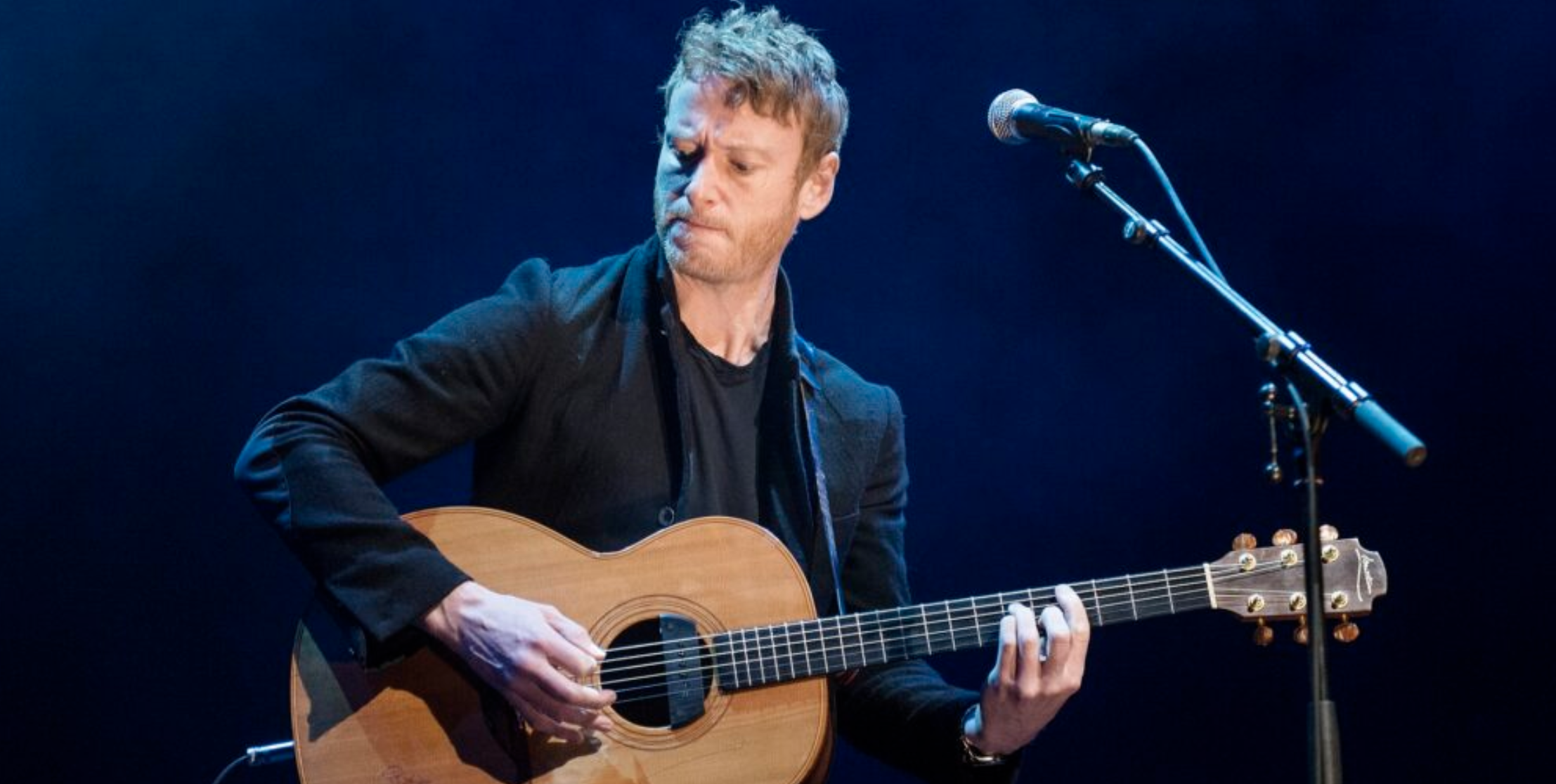
The facile way to identify Teddy Thompson is the way we’ve heard a thousand times: “He’s rock and folk music royalty, the son of Linda and Richard Thompson.” But this is more a feeble, genetic explanation of his astonishing musical talent than any sort of credential. Teddy doesn’t need credentials. He’s simply one of the most gifted songwriters you’ve ever heard, who delivers one breathtakingly beautiful vocal performance after another. His recordings are smart and bold, exploring traditional avenues of boy-with-guitar storytelling as well as taking deep dives into Americana and country music. But it’s Teddy’s live performances that are utterly unforgettable. And he’s coming straight from the Vancouover Folk Festival.
About Teddy
Called “one of the most gifted singer-songwriters of his generation,” by The New York Times, “ Thompson sings with his own voice, a powerfully understated, emotional, echoey croon,” (The Guardian) that reflects his iconoclastic influences from early ’50s rock and roll to popular music of the ’80s. Teddy is the son of the British musical dynasty Linda and Richard Thompson. “Who do I sound like? I think I sound like myself,” Thompson says, “There’s a strong element of British folky in me, it’s in the blood, and I heard the wonderful music of my parents around me as a young child. Then there was the 1950’s American pop and country that I fell in love with, plus the 80’s pop music that was in the charts at the time.” From a young age, Sam Cooke (with The Soul Stirers!), Hank Williams, Chuck Berry, and the Everly Brothers made up the bulk of his listening, along with select contemporary tunes heard on Top of The Pops. A-ha, Culture Club, Wham!“ After releasing his self-titled debut in 2000, Thompson went on tour as part of Roseanne Cash’s band. Since then he’s released eight albums, collaborated with good friends Martha and Rufus Wainwright, contributed to numerous tribute projects, and produced albums for Americana singer-songwriters Allison Moorer and Shelby Lynn, Dori Freeman, Roseanne Reid as well as his mother, Linda Thompson.
About the New Album, Never Be The Same
Teddy’s new album is the exquisitely crafted Never Be The Same, his first collection of original material since 2020. Across ten tracks, he explores music’s enduring preoccupations — love, longing, and the uneasy passage of time.
This album wasn’t built upon a grand narrative. There was no self-imposed exile, no forced reinvention. Instead, it is centered around an exhortation that is threaded through the songs like a refrain: “Never Be The Same,” its title only revealing itself to Thompson after he’d completed the recording.
“It’s a phrase that, unconsciously, I used twice. And when I saw it on the page, I realized, this is the message of this album,” says Thompson. “Don’t ever be the same. Change. Grow! Even when the sentiment is, woe is me, I’ll never recover after that love or loss. The message is still, change. Don’t get too comfortable. Everything is temporary, so evolve or perish!”
This pull and tension between comfort and change runs quietly throughout Never Be The Same, Thompson’s 11th album, which was produced by renowned Grammy Award–winning musician/producer David Mansfield. At the core is Thompson’s longstanding commitment to songwriting as a form, inspired by early influences like Chuck Berry, Hank Williams, and Crowded House, as well as the towering figures of the craft — Bob Dylan, Leonard Cohen, The Beatles, and, certainly, his parents, British folk icons Richard and Linda Thompson.
For Thompson, the search for this truth starts with authenticity and personal experience. “Songwriting is magical. You can hear one hundred people sing ‘I love you,’ and you know which one is telling the truth,” Thompson says. “If the root of the sentiment is authentic, it will resonate.”
“So This Is Heartache,” the album’s first single, is a bruised waltz for the broken-hearted. Reminiscent of the golden age of Stax Records, it weds Thompson’s keening tenor and soaring falsetto with a classic soul feel and a warm horn section.
“If you sit down to write the most raw emotion you can summon, most of the time it’s going to touch on some kind of loss,” Thompson says. “People will say, ‘Oh, you poor thing,’ but it’s not that I’ve had more heartbreak than anybody else; I just wrote it down.”